Calcium carbonate is the most widely used filler in the plastics industry. Adding calcium carbonate eases the polymer extrusion and also lowers the cost. It enhances the heat resistance, stiffness and hardness of the polymer. Being white in color, calcium carbonate also helps in pigmentation and aids in enhancing or compensating for loss of gloss.
Calcium carbonate is a chemical compound with the formula CaCO3. It is a common substance found in rocks as the minerals calcite and aragonite (most notably as limestone, which is a type of sedimentary rock consisting mainly of calcite) and is the main component of eggshells, gastropod shells, shellfish skeletons and pearls. Calcium carbonate is the active ingredient in agricultural lime and is created when calcium ions in hard water react with carbonate ions to create limescale. It has medical use as a calcium supplement or as an antacid, but excessive consumption can be hazardous and cause hypercalcemia and digestive issues.
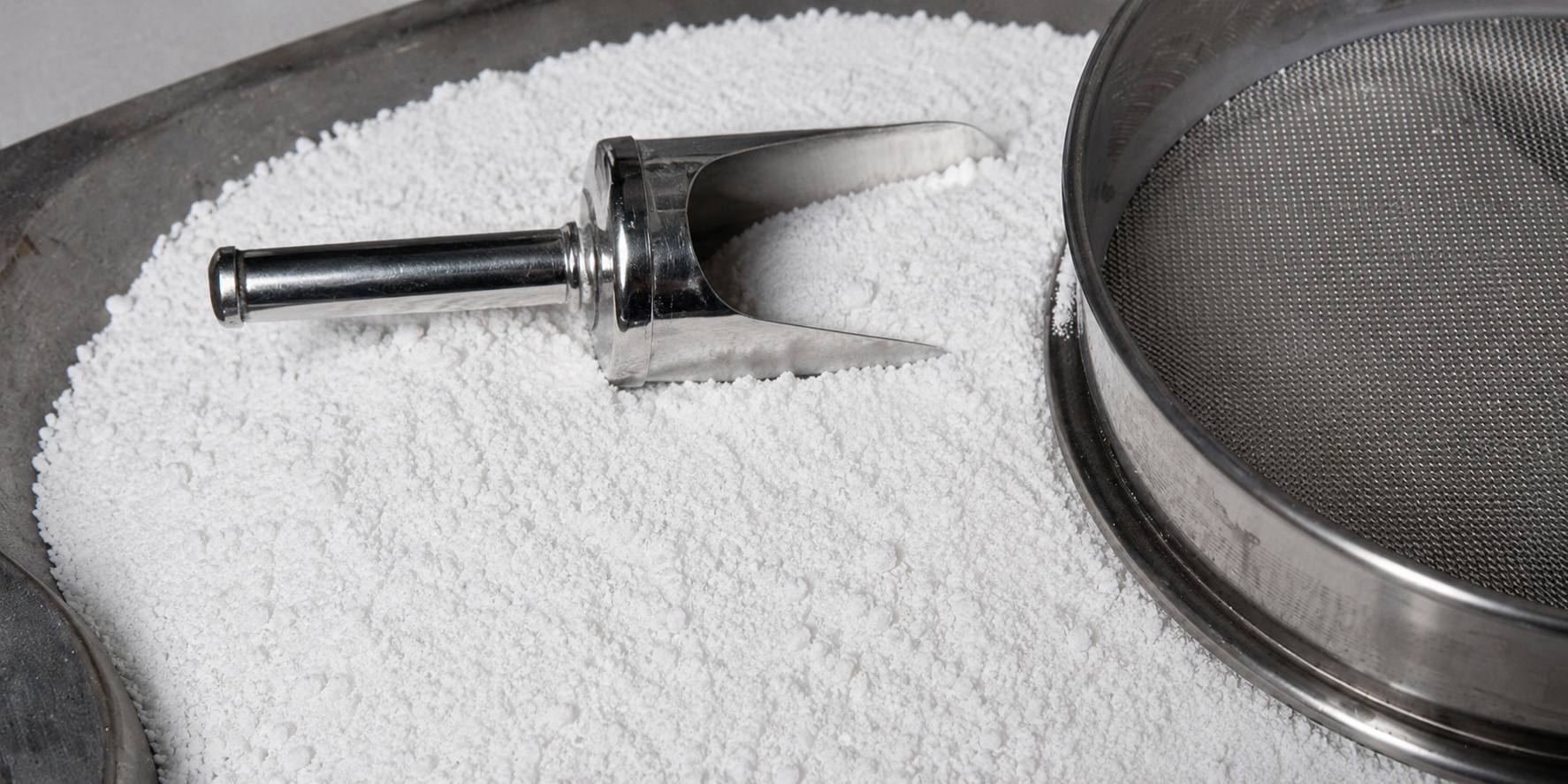
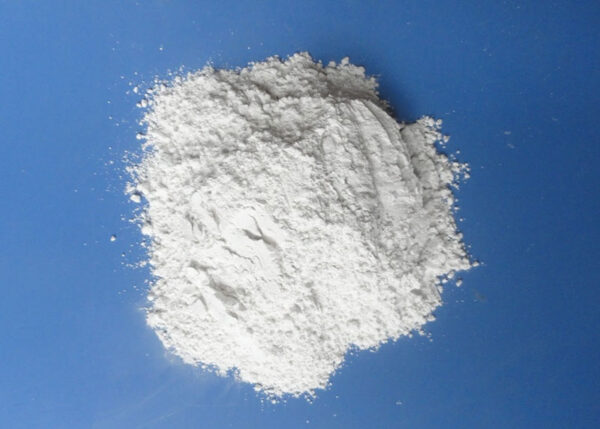
Normally, calcium carbonate limestone is used mainly in the form of stone powder. It also known as white stone powder, is a type of rock powder that is crushed from coated and uncoated limestone. Crushed limestone is a sedimentary rock composed of calcite minerals and various crystalline forms of calcium carbonate. The main ingredient of limestone powder is CaCO3 (calcium carbonate), so in addition to the name white stone powder, it is also known as CaCO3 stone powder.
Calcium carbonate powder is one of the most important raw materials and additives in the manufacturing industry today. Hereafter, MASKA GLOBAL will share with you the great applications of limestone powder being used commonly in the fields:
Calcium carbonate is used as a high quality filler in the concrete market for paving stones, tubes and sewage tanks, as well as in ready-mixed and pre-cast concrete. In cement, the mineral speeds up the hydration of the cement matrix and increases durability of the product through better permeability, while calcium carbonate’s light colour makes it ideal for applications in architecture.
In concrete roofing tiles, which must conform to standards such as water permeability, freeze-thaw performance and strength, calcium carbonate increases the density of the concrete matrix, while iron oxide pigments are added for colour.
The growth of the clay tile and brick market has also led to growth in calcium carbonate’s use as a filler for its chemical properties and as a pigment. Advantages of adding calcium carbonate to clay mixtures include lightening the colour of the natural clay, decreasing shrinkages, and decreasing air contamination during the clay burn process.
The mineral also finds applications in asphalt, manufactured from a blend of bitmen, calcium carbonate filler, gravel and sand. Calcium carbonate improves the workability of the mixture as well as its mechanical resistance by acting as a sand modifier.
Calcium carbonate is used in glass as a stabilizer, and modifies the viscosity and increases the durability of the glass. For all types of glass, the common properties required of calcium carbonate are extremely low iron content, consistent chemical characteristics and low moisture content. Dolomite, a magnesium calcium carbonate mineral, can also be used as a stabilizer to improve the resistance of glass to natural or chemical attack in all three types of glass.
Besides silica sand, calcium carbonate is another main component in the production of ceramics. Calcium carbonate is an economical source of calcium oxide, which is needed as a melting agent at high temperatures (1,050 °C), improves the mechanical and chemical strength of the glass body and reduces shrinkage from firing.
Calcium carbonate increases the value when it is used in manufacturing detergents because of its hardness: the hardness of calcium carbonate has only 3 Moh meanwhile the silica is 7 Moh.
In the market of detergents, there are two main types of applications for consumers: powders and creams.
Calcium carbonate in the form of powder helps smoother for the other minerals. Cream requests calcium carbonate brighter and finer than powders.
Calcium Carbonate is a medication used to prevent or treat low blood calcium levels in people who do not get enough calcium from their diets. It may be used to treat conditions caused by low calcium levels such as bone loss (osteoporosis), weak bones (osteomalacia/rickets), decreased activity of the parathyroid gland (hypoparathyroidism), and a certain muscle disease (latent tetany). It may also be used in certain patients to make sure that they are getting enough calcium (women who are pregnant, nursing or postmenopausal, people taking certain medications such as phenytoin, phenobarbital, or prednisone).
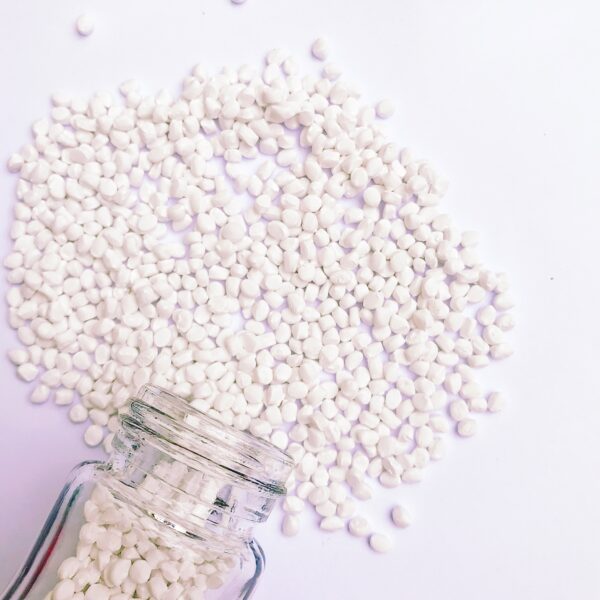
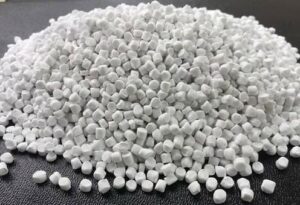
Nowadays, almost every manufacturers of plastic products are using Calcium carbonate in their producing.The most well-known compound from calcium carbonate in plastic industrial is FILLER MASTERBATCH, which is mixed from CaCO3 powder, additives and carrier resin (PE, PP, …) with purpose of reduce the cost while maintaining the properties of plastic, even enhance it. Adding calcium carbonate can increase the heat resistance of conventional plastic products. And since it has a whiteness exceeding 90%, calcium carbonate can be used as a whitening agent in place of expensive white pigments . Therefore, Calcium carbonate (CaCO3) is one of the most popular mineral fillers used in the plastics industry. It is widely available around the world, easy to grind or reduce to a specific particle size, compatible with a wide range of polymer resins and economical. As an additive in plastic compounds, calcium carbonate helps decrease surface energy and provides opacity and surface gloss, which improves surface finish. In addition, when the particle size is carefully controlled, Calcium carbonate helps increase both impact strength and flexural modulus (stiffness).
Calcium carbonate is widely used when combined with polyethylene (PE) resins to manufacture bags, packaging, shopping bags, bags, clothes bags, garbage bags .. Using calcium carbonate increases product durability, better dispersion in plastic chemicals, optimal product gloss, and improved production process.
Calcium carbonate is widely used in combination with Polypropylene (PP) resin to produce PP Woven bag , Tons of bags , non-woven fabrics, canvas, agricultural coatings, etc..
Calcium carbonate is widely used when combined with polypropylene with high MI to produce injection molding of plastic products such as Sheets, hollow boards, household items, home appliances accessories ..
Using calcium carbonate increases chemical properties and improves production productivity. Calcium carbonate reduces production costs, increases hardness, and increases the durability of fillers for products.
At present, our company MASKA GLOBAL is widely considered to be one of the biggest manufacturers and suppliers of Calcium carbonate filler masterbatch in Vietnam. With the strength of the input containing high-quality Calcium carbonate from Vietnam, our capacity is up to 8,000MT exporting per month. We can support every client in plastic fields.
Calcium carbonate is one of the most abundant minerals on Earth and accounts for about 4% of the Earth’s crust. It can be found in nature in three principal rock types: chalk, limestone, and marble. But talking about distribution, Calcium carbonate appears almost worldwide, many natural or man-made works are made of limestone such as Limestone Crossing in the Torcal de Antequera nature reserve of Málaga, Spain, Giza Pyramid, One of the Seven Wonders of the Ancient World, whose outer shell is made of limestone, Cut limestone rocks at a quarry in Gozo, Malta, Limestone Gate at Piatra Craiului Mountains, Romania .
However, the exploitation of calcium carbonate used for plastic industry applications in life is mainly located in China, Vietnam, Malaysia, and Taiwan. ..
According to statistics on the quality of limestone quarries, white ratio, Vietnam is at the forefront in the technology of exploiting calcium carbonate and producing for plastic industry applications .
**************************************
Together We Develop
📧 info@maskaglobal.com
📞 +84 3828 59 268
🌐https://maskaglobal.com/
#fillermasterbatch #colormasterbatch #MASKAGLOBAL #Vietnam #plastic